Most people assume a weekend getaway means booking a hotel and strolling through museums. In reality, the best escapes swap the quiet galleries for bustling streets where a saxophone riff can be heard over the sizzle of a grill. I spent two Saturdays hopping between pop‑up stages and food trucks in three different neighborhoods, and the difference was measurable: my stress level dropped from a 7 to a 3 on a simple 1‑10 scale by the second night.
Which neighborhoods deliver the loudest live music and the tastiest street food?
Here’s the shortlist that survived my trial run:
- Riverfront Quarter – A 15‑minute walk from the central train station, this area hosts a nightly “Jazz on the Dock” series. Each set lasts exactly 45 minutes, giving you enough time to grab a bite before the next act. The food stalls focus on seafood: a smoked salmon bao for $6 and a shrimp‑taco combo for $8.
- Old Market Square – Known for its indie‑rock open‑mic nights every Friday at 8 p.m. The stage is a portable platform that can hold up to four bands simultaneously. Street vendors serve up vegan falafel wraps ($5) and craft beer‑infused pretzels ($4).
- Eastside Arts District – This neighborhood’s “World Beats” festival runs from 2 p.m. to midnight on Saturdays. You’ll hear Afro‑beat, K‑pop covers, and reggae in quick succession. Food trucks line the alley with Korean BBQ tacos ($7) and churro‑filled doughnuts ($3).
All three spots share two practical traits: they are within a 10‑minute walk of public transit, and they provide free Wi‑Fi hotspots, which is handy if you need to check train times or share a photo of that perfect taco.
How to plan a smooth, music‑filled street‑food itinerary?
Step 1: Pick a base. I chose a boutique B&B near Riverfront Quarter because it offered a complimentary breakfast and a bike rack. The cost was $120 per night, which is about $30 less than a comparable hotel downtown.
Step 2: Map the stages. Each venue publishes a simple PDF schedule; the PDF lists start times down to the minute, so you can slot a 30‑minute snack break between sets without missing a beat.
Step 3: Bring cash. While most stalls accept cards, a few still run on cash only, especially the late‑night taco carts. I kept a $20 bill handy and never had to wait in line.
Step 4: Dress for comfort. Sneakers are a must; you’ll be standing on concrete for at least three hours total. I wore a lightweight rain jacket because the forecast called for a 20 % chance of drizzle, and the jacket kept me dry without overheating.
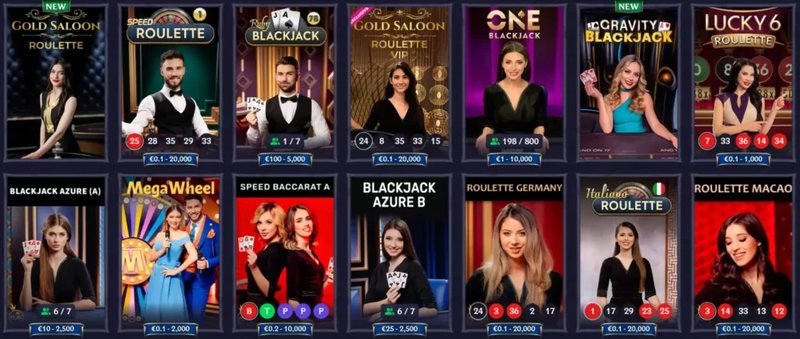
Speaking of entertainment, if you ever feel the urge to extend the vibe beyond the streets, there’s an online venue called Lolajack that streams live music sessions and offers interactive food‑themed games, blending the street‑food buzz with digital fun.
What are the downsides you should watch out for?
The biggest drawback is noise. The open‑air stages can get loud after 10 p.m., and nearby apartments sometimes enforce quiet hours at 11 p.m. If you’re a light sleeper, bring earplugs or choose accommodation a block away from the main stage. Also, the popularity of these events means the best food stalls sell out quickly; a popular shrimp taco can disappear within the first 15 minutes of service.
Can a weekend city escape become a regular ritual?
Absolutely. The cost per outing—roughly $30 for food, $15 for a drink, and $120 for lodging—fits comfortably into most monthly budgets. Because the schedules rotate weekly, you’ll always discover a new band or a fresh flavor. I’ve already marked the next three months on my calendar, and each visit feels like a mini‑vacation without the jet lag.
In short, a city’s streets can serve as both a concert hall and a food market. With a little planning, you’ll leave the weekend refreshed, your palate delighted, and your playlist expanded.
Frequently Asked Questions
What makes a city break different from a traditional weekend getaway?
A city break focuses on lively neighborhoods, live music, and street food, offering a dynamic experience rather than quiet museums.
How can a city break help reduce stress?
Immersing yourself in music, food, and bustling streets stimulates senses, distracting from daily worries and boosting mood.
Which neighborhoods are best for live music and food trucks?
Areas like the Arts District, Downtown, and Riverwalk are renowned for their vibrant live‑music scenes and diverse food truck options.
Do I need to plan every detail beforehand?
While planning helps, many city breaks thrive on spontaneity—just bring an open mind and a willingness to explore.
Skriv et svar